
About me
I wanted to chase. Nobody would teach me.
So I taught myself, over years, badly at first. Severe Storms Lab is the thing I wish had existed when I was ten.
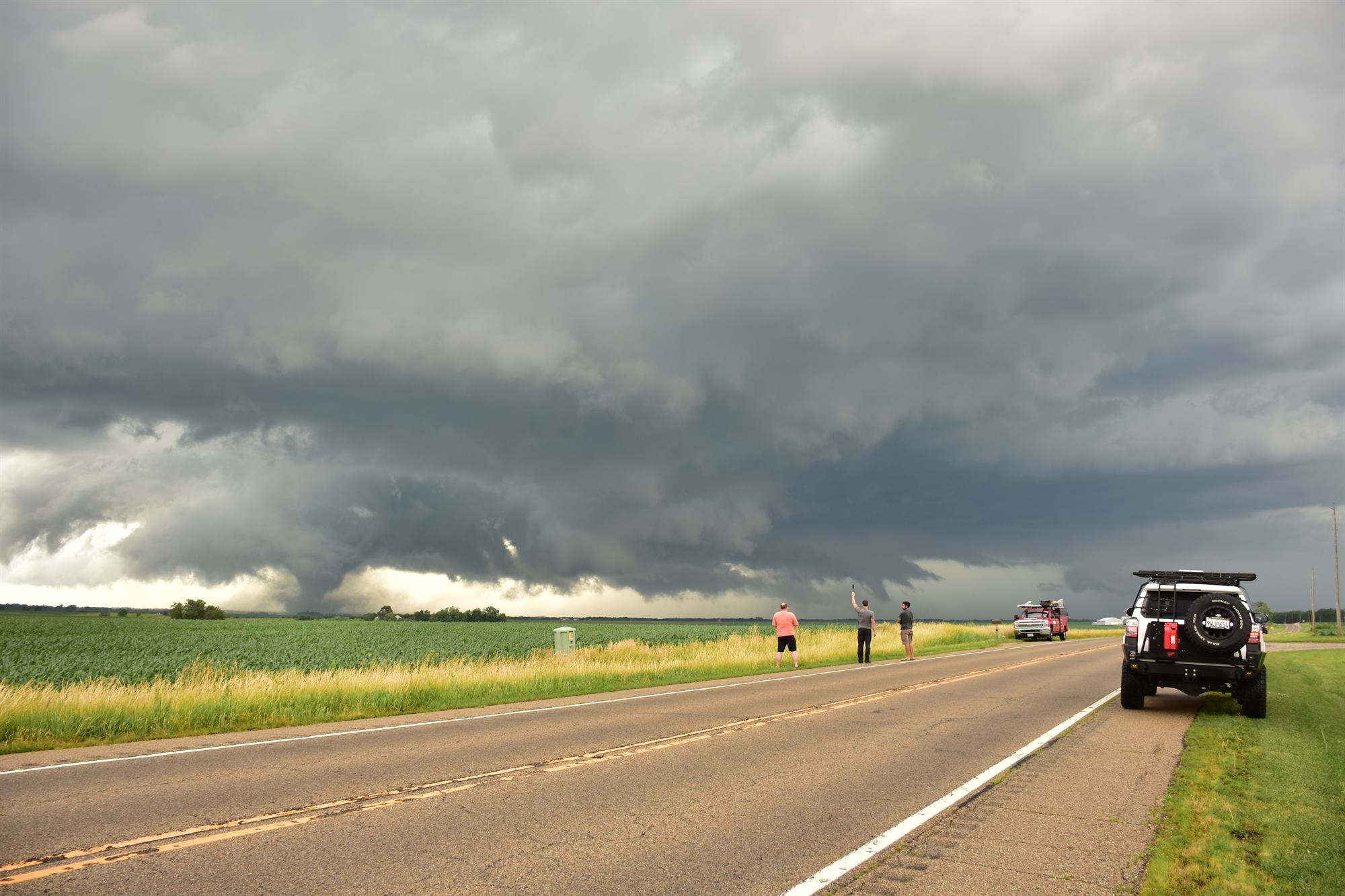
I was the kid who stood at the screen door when everyone else was told to get to the basement. Not because I was brave. Because I could not look away.
I grew up watching storms come across the plains and wanting, badly, to understand what I was looking at. Not the safety poster version. The real thing: why that cloud was rotating and the one next to it was not, why the sky went that particular shade of green, how anybody could tell what a storm was going to do before it did it.
There was nobody to ask. No club, no mentor, no one in my town who did this. I read what I could find, which in those days was not much, and got most of it wrong. My first years chasing were embarrassing. I drove to the wrong side of storms. I chased things that were never going to produce and missed the ones that did. I learned it the slow way, one wasted tank of gas at a time, because there was no fast way available to me.
Meanwhile I became a teacher. That was not a detour, though it looked like one at the time. Standing in front of a class for years teaches you something you cannot get from knowing a subject: how to tell when a room has stopped following you, and what to do about it. How to explain rotation to a nine-year-old without either lying to them or losing them. How to build something to a standard instead of just to a topic.
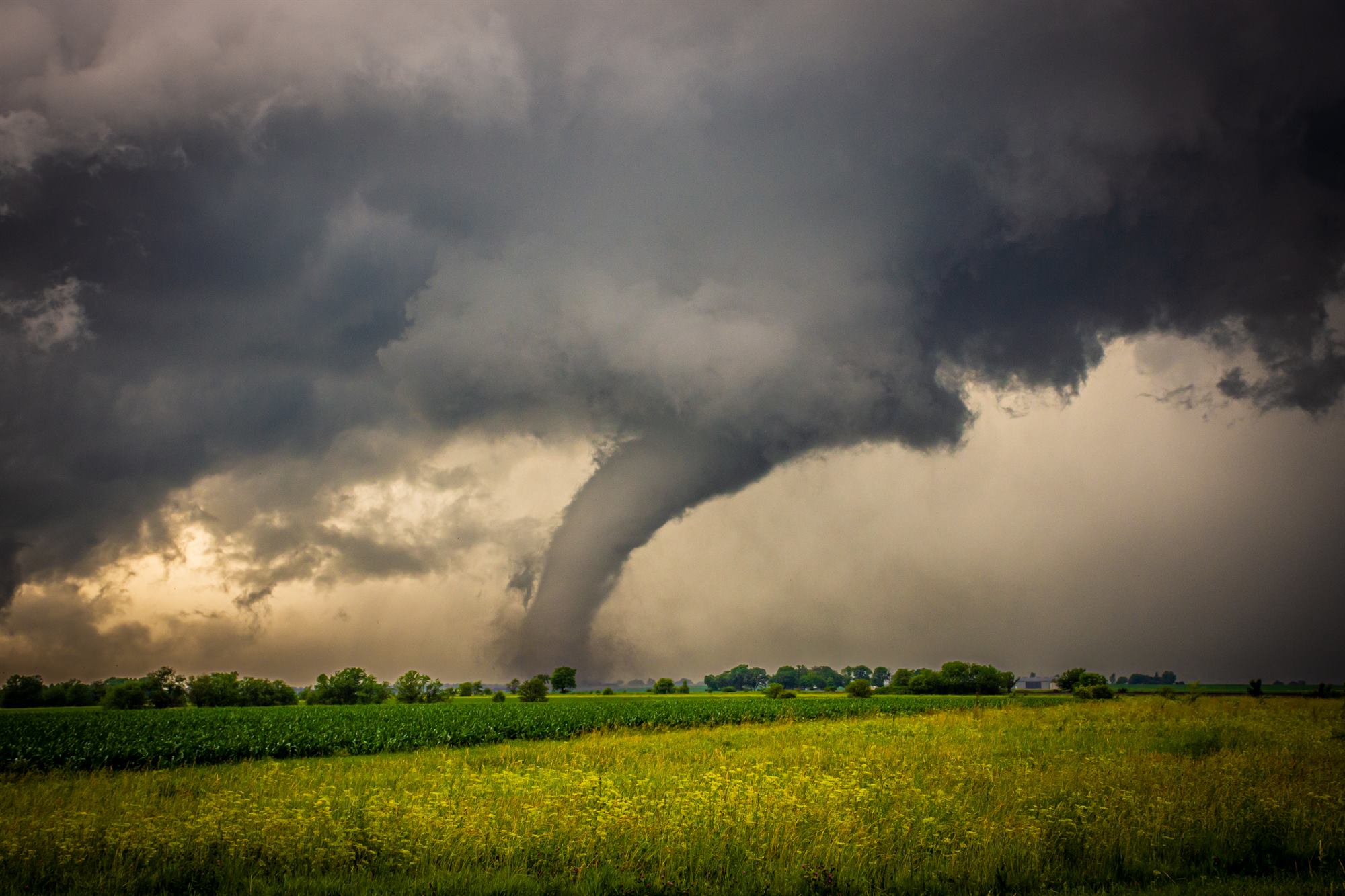
Then one spring I brought my own storm footage into my classroom. I had not planned it as anything. I just had video of a supercell I had filmed the week before, and it fit what we were covering.
The room went completely silent, and then it did not stop asking questions for forty minutes.
That was the whole idea, right there. Those kids were not quiet because the video was dramatic. They were quiet because somebody standing in front of them had actually been there, could answer any question they threw at it, and was not reading from a script.
Severe Storms Lab is that lesson, built out properly and taken on the road. I bring the footage I filmed. I bring a vortex you can put your hand through, headsets that put a student underneath a rotating wall cloud, and a camera where a quiet kid discovers they can deliver a forecast in front of a room. And because I spent those years in a classroom, the whole thing is built against grade-level standards, so a teacher giving up a period gets the period back in curriculum value.
Somewhere in every school I visit there is a version of me at ten years old, standing at the screen door. That kid now has somebody to ask.
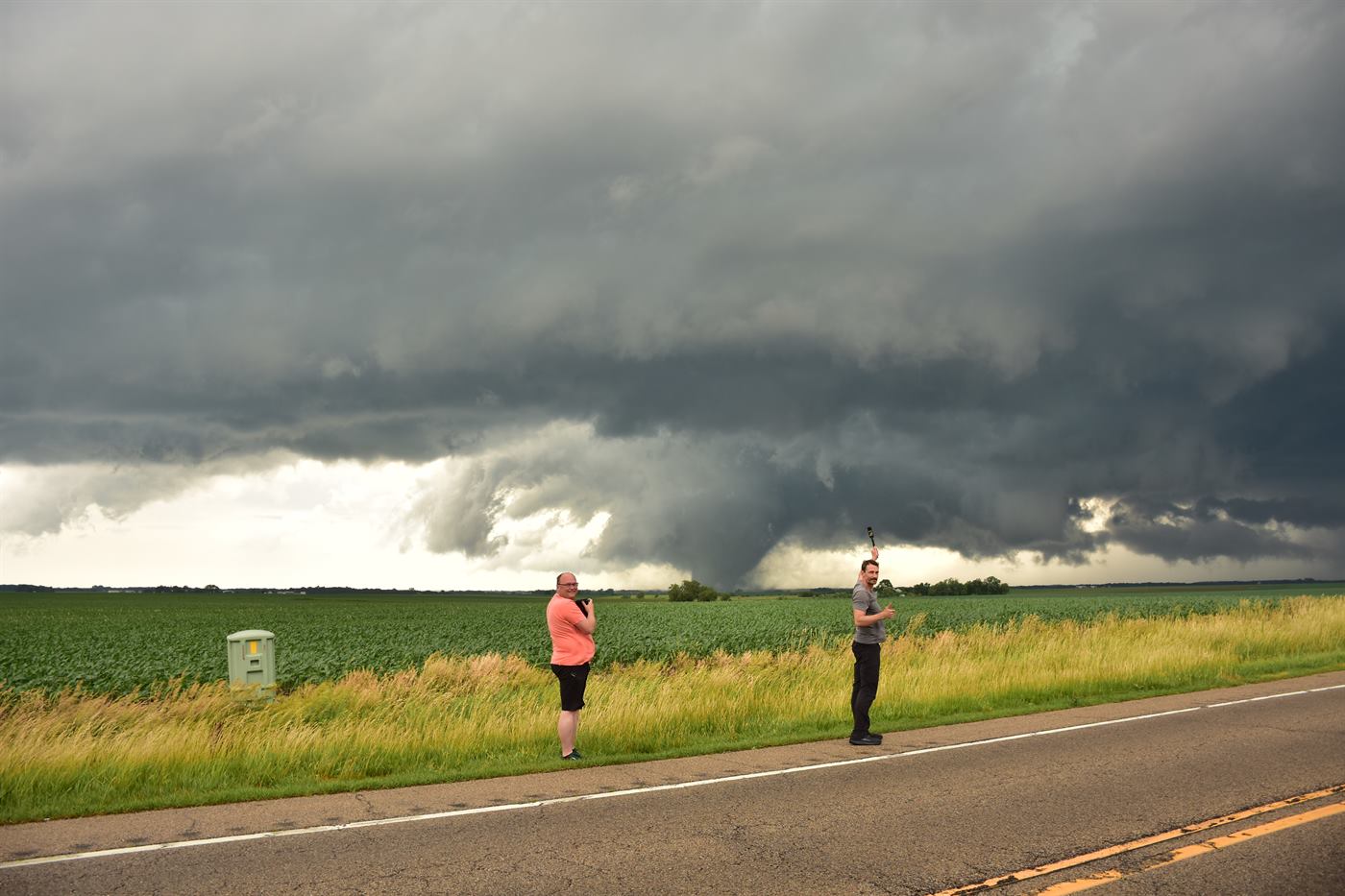
PLACEHOLDER caption: location and year of this chase.
Credentials
The classroom half and the field half
The teaching came first. PLACEHOLDER: fifteen years as a credentialed classroom teacher, most of it in PLACEHOLDER: upper elementary science. That is where the lesson design comes from, and it is why the standards alignment on this site is written properly rather than bolted on afterwards.
The chasing runs alongside it. PLACEHOLDER: ten-plus seasons across Tornado Alley, PLACEHOLDER: number confirmed tornadoes intercepted, with trained spotter certification and reports filed to the National Weather Service from the field. Every clip a student sees in the presentation was filmed by him, which is the reason he can answer any question about any frame of it.
Those two halves are the entire point. Plenty of people can show a class a tornado video. Very few of them can also tell you which performance expectation it satisfies.
The Elite Storm Chaser Badge
Awarded by Channel 2 for verified severe weather reporting from the field. It is issued to chasers whose ground reports have been confirmed against radar and used on air during active severe weather, which means it is a record of accuracy under pressure rather than a membership badge.
It matters here for one reason: when a student asks how he knew a tornado was coming, the answer is backed by a broadcast meteorologist who checked.
Next step
Bring it to your students
Let us know if you have special requests or need assistance in any way.